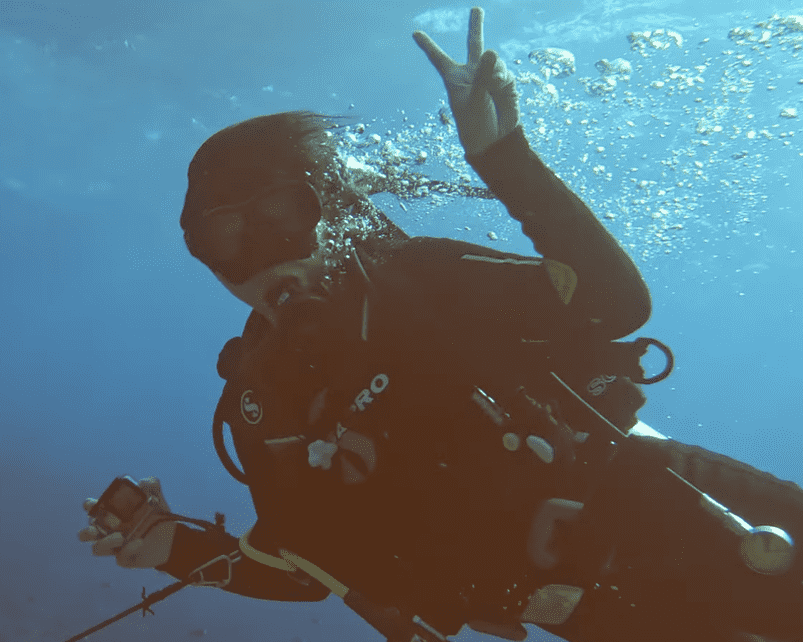
Is Diving in Komodo Difficult? The Honest Answer

Is Diving in Komodo Difficult? The Honest Answer

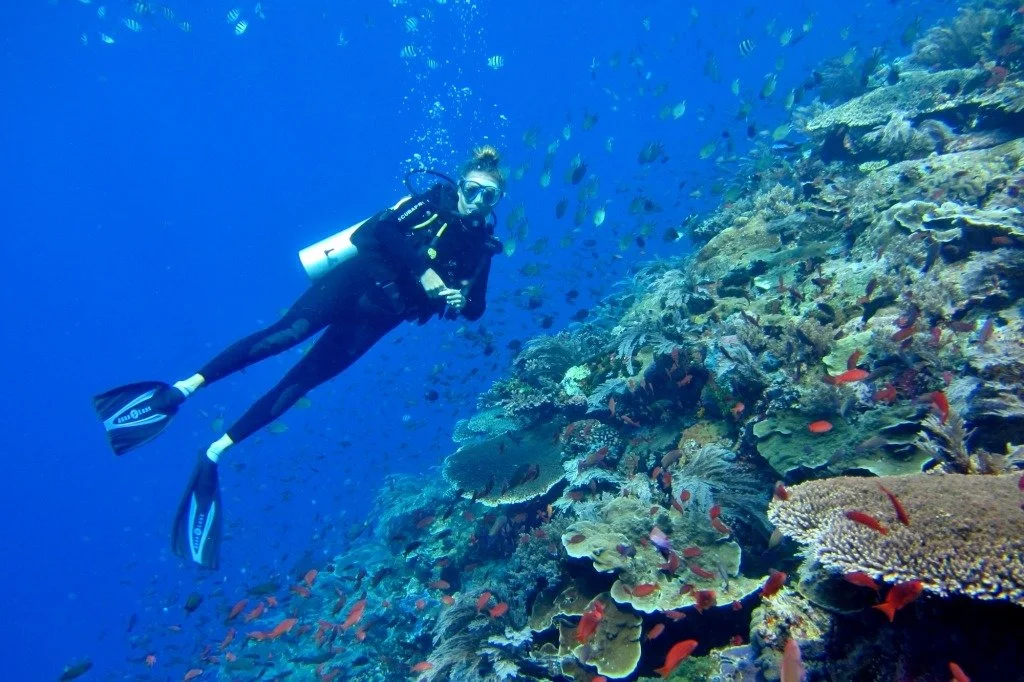
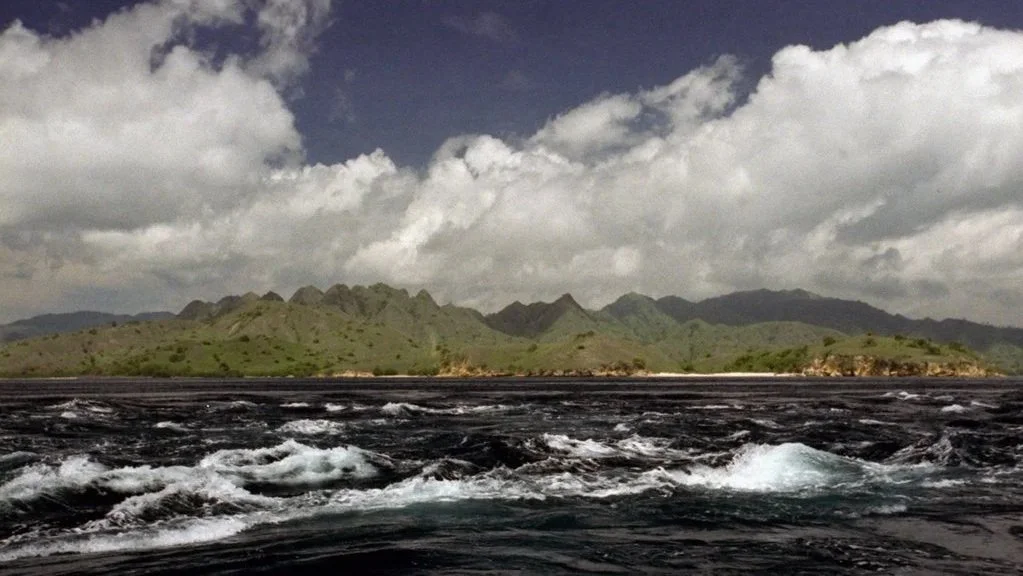
Diving in Komodo National Park can be more challenging than some destinations because of currents, but it is not difficult on every dive. Conditions vary considerably between sites, and experienced crews plan dives around tides, currents, and diver ability.

Why Small Group Diving in Komodo Changes Everything

Why Small Group Diving in Komodo Changes Everything

Is small group diving really better?

Yes. Small group diving allows for more personalised guidance, greater flexibility, improved safety, and a more relaxed experience. In a destination like Komodo National Park, where currents and conditions can change quickly, smaller groups often create significantly better dives.

What Cabin Life Is Really Like on a Komodo Liveaboard

What Cabin Life Is Really Like on a Komodo Liveaboard

What are cabins like on a Komodo liveaboard?

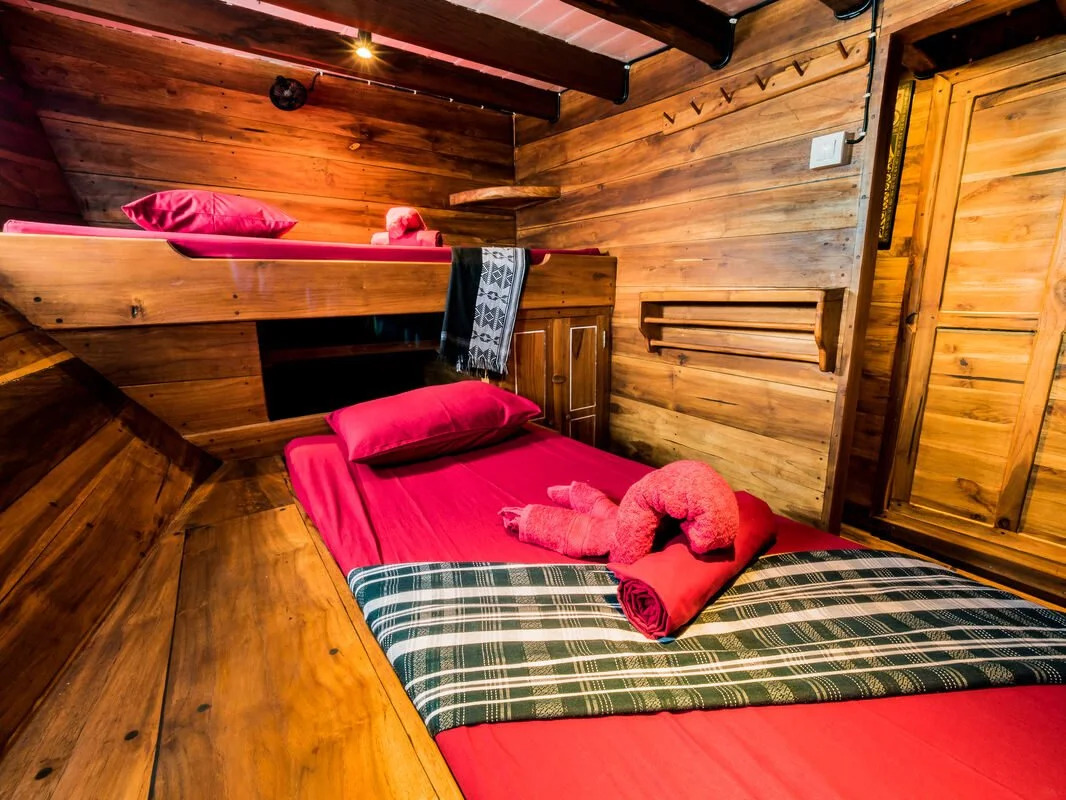
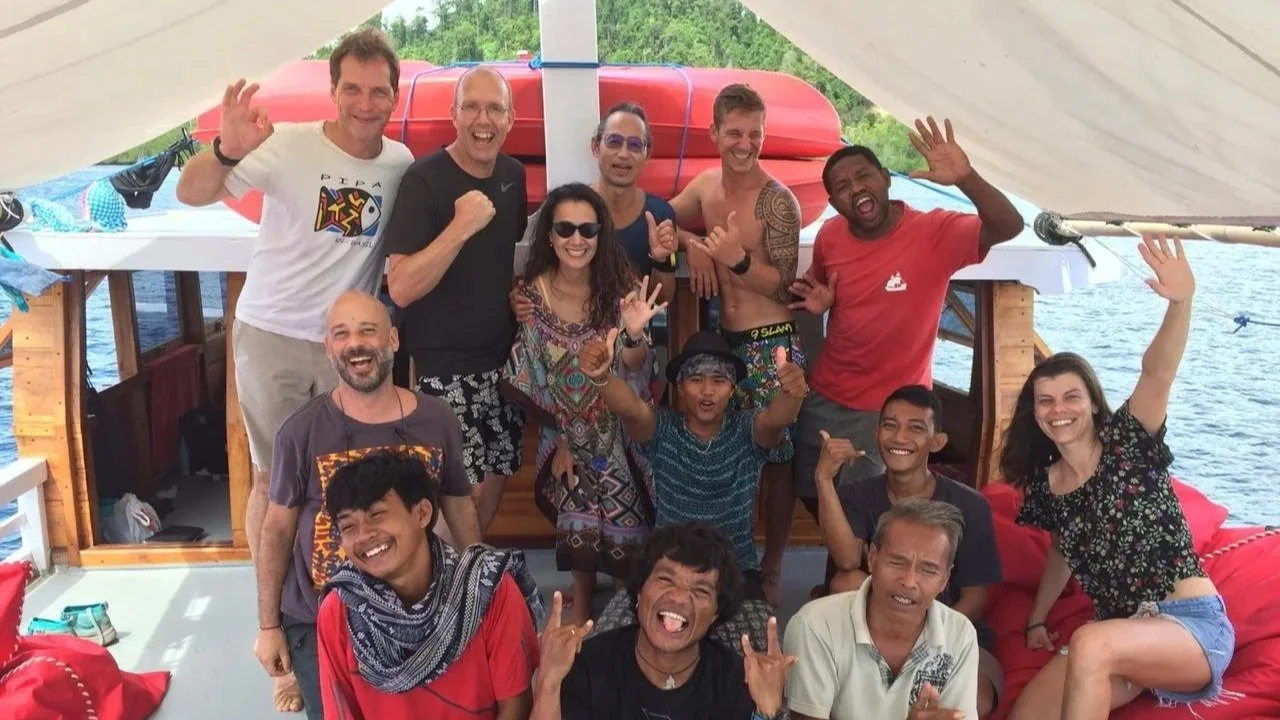
Cabins on a Komodo National Park liveaboard are simple, practical, and comfortable spaces designed for resting between dives. On smaller boats like Kira Kira and Akomo Isseki, guests sleep in compact cabins with shared bathrooms, natural airflow, and a relaxed onboard atmosphere focused on the diving experience rather than luxury accommodation.

Behind the Scenes: How Dive Crews Plan Each Day in Komodo

Behind the Scenes: How Dive Crews Plan Each Day in Komodo

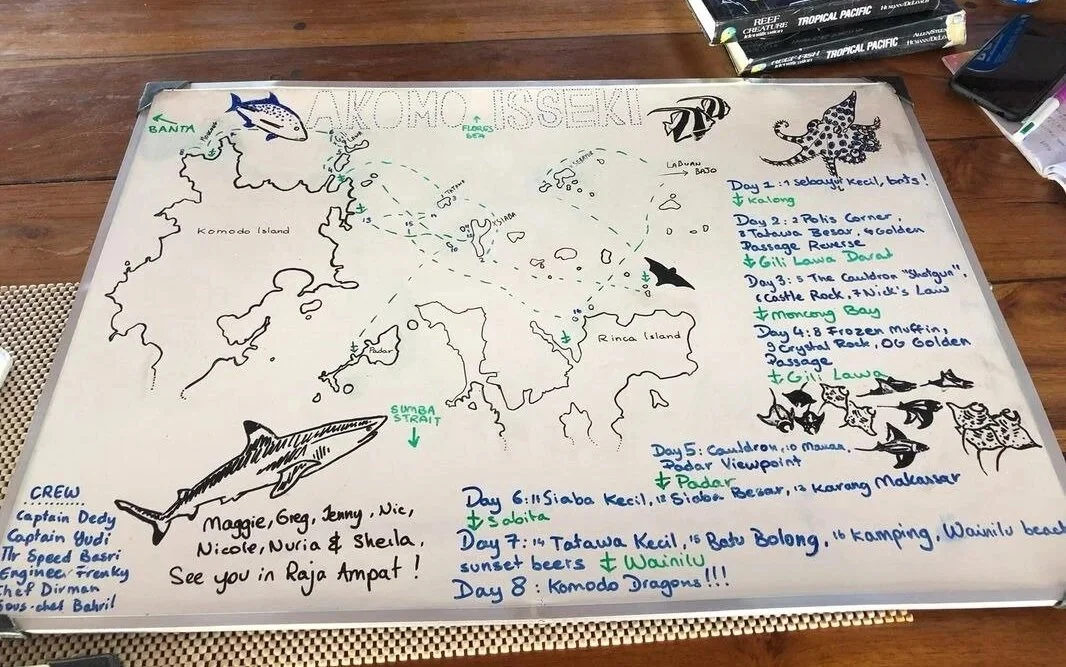
How do dive crews plan dives in Komodo?

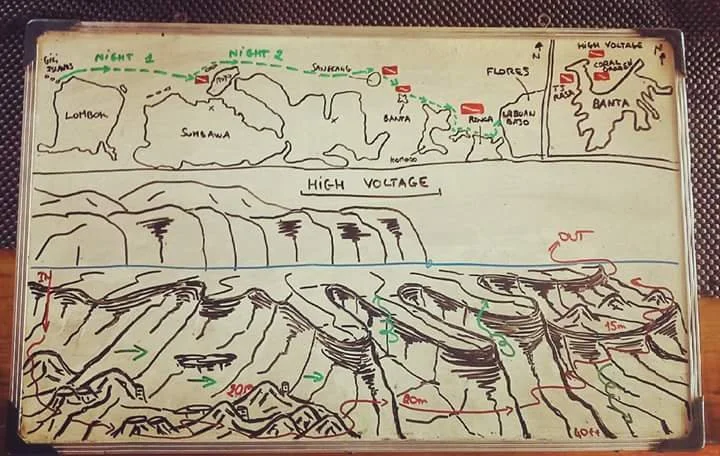
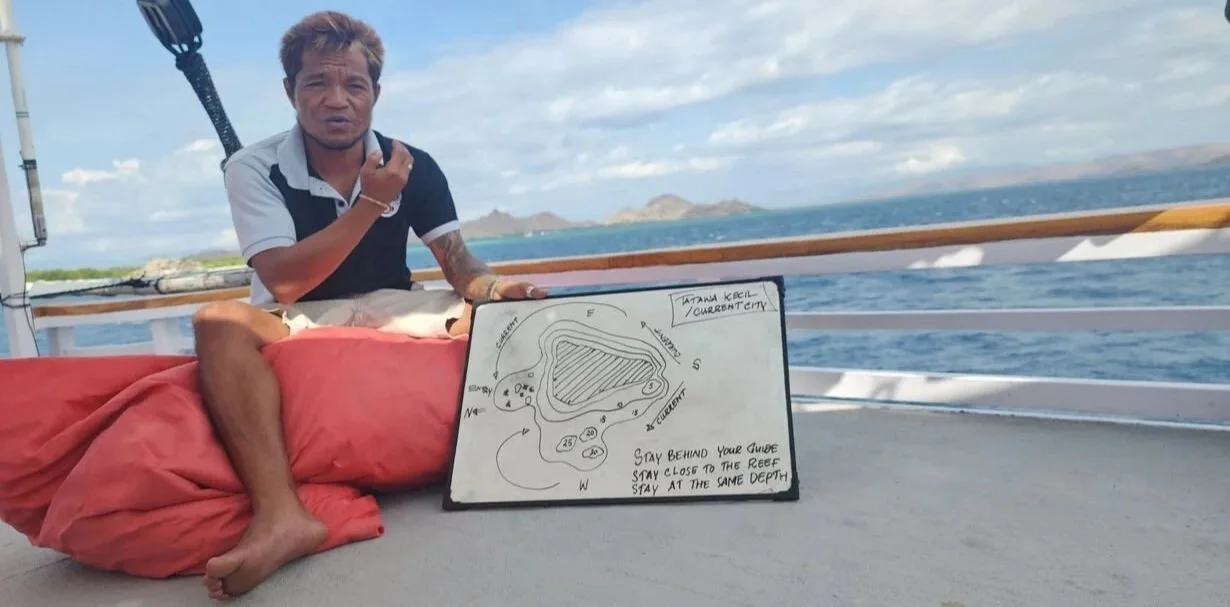
Dive crews in Komodo National Park plan each day based on tides, currents, weather, and diver ability. Every dive is adjusted in real time to maximise safety, marine life encounters, and overall experience.

A Day on a Komodo Liveaboard: What to Expect (Real Experience Guide)

A Day on a Komodo Liveaboard: What to Expect (Real Experience Guide)

What is a typical day on a Komodo liveaboard like?

A typical day on a Komodo National Park liveaboard includes 3–4 dives, relaxed surface intervals, freshly prepared meals, and time to enjoy remote islands — all structured around tides and diving conditions.

Komodo Marine Life Guide: Sharks, Manta Rays & Reef Ecosystems

Komodo Marine Life Guide: Sharks, Manta Rays & Reef Ecosystems

What marine life can you see in Komodo?

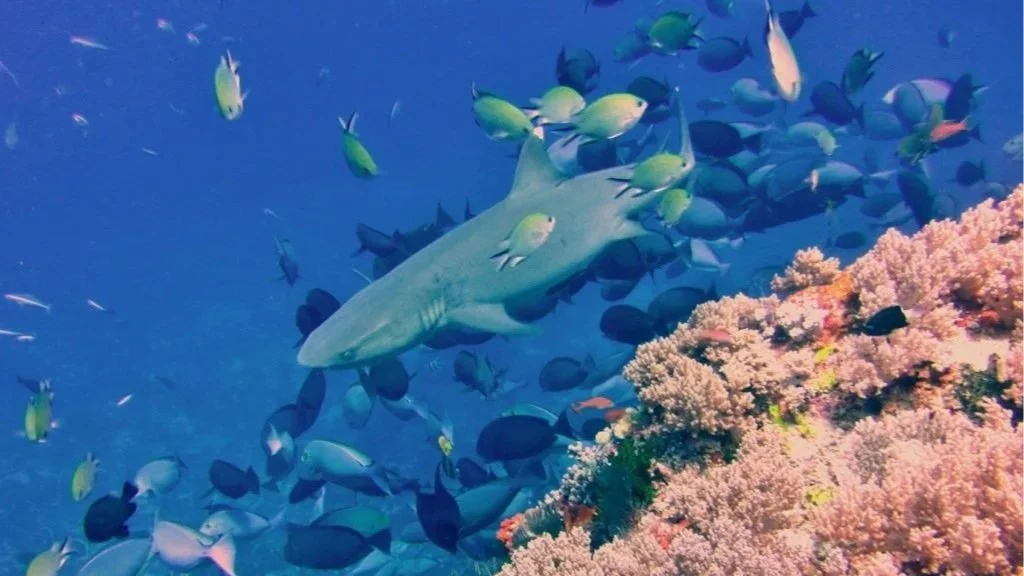
Komodo National Park is one of the most biodiverse marine environments in the world, where divers regularly encounter sharks, manta rays, vibrant coral reefs, and massive schools of fish — all driven by powerful ocean currents.

Schooling Fish in Komodo: Why the Ocean Comes Alive

Schooling Fish in Komodo: Why the Ocean Comes Alive

Where can you see schooling fish in Komodo?

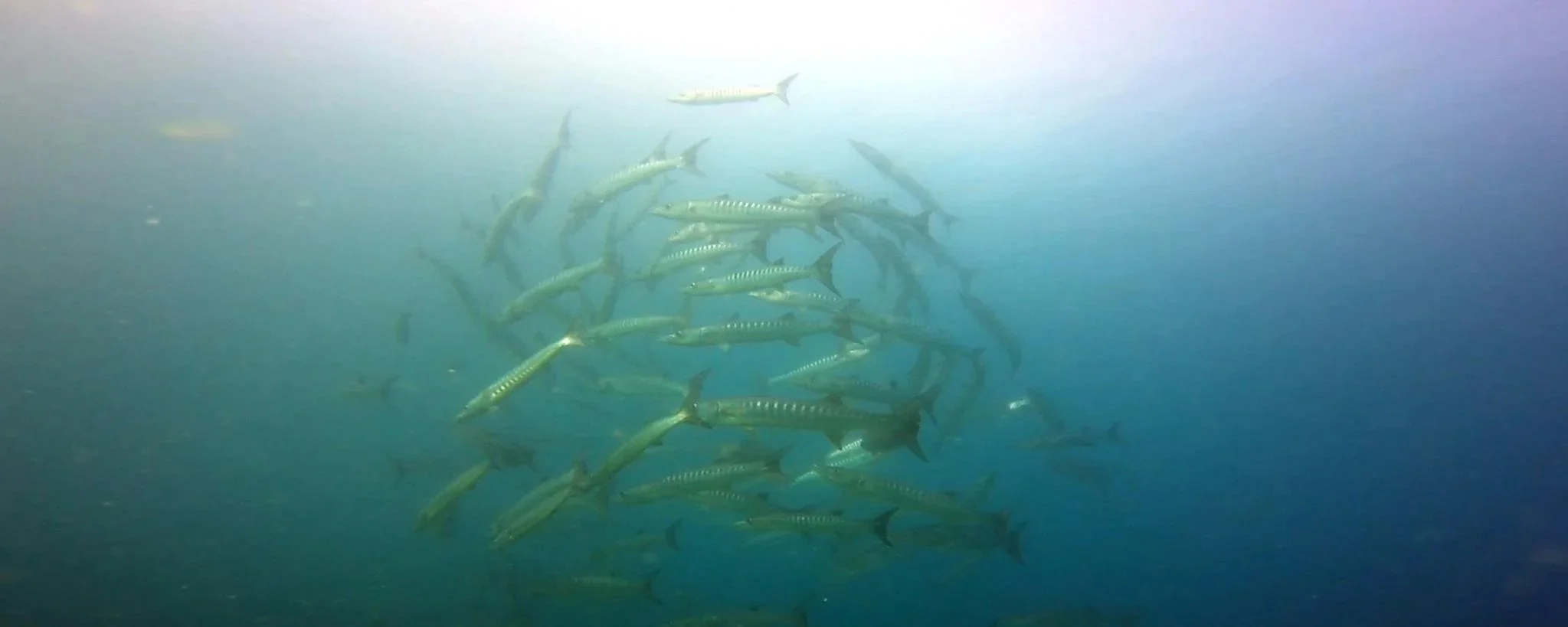
Schooling fish are seen across many dive sites in Komodo National Park, especially at current-rich locations like Castle Rock, Crystal Rock, and The Cauldron, where nutrient flow attracts massive concentrations of marine life.

Why Komodo’s Coral Reefs Are So Healthy (And What Divers See)

Why Komodo’s Coral Reefs Are So Healthy (And What Divers See)

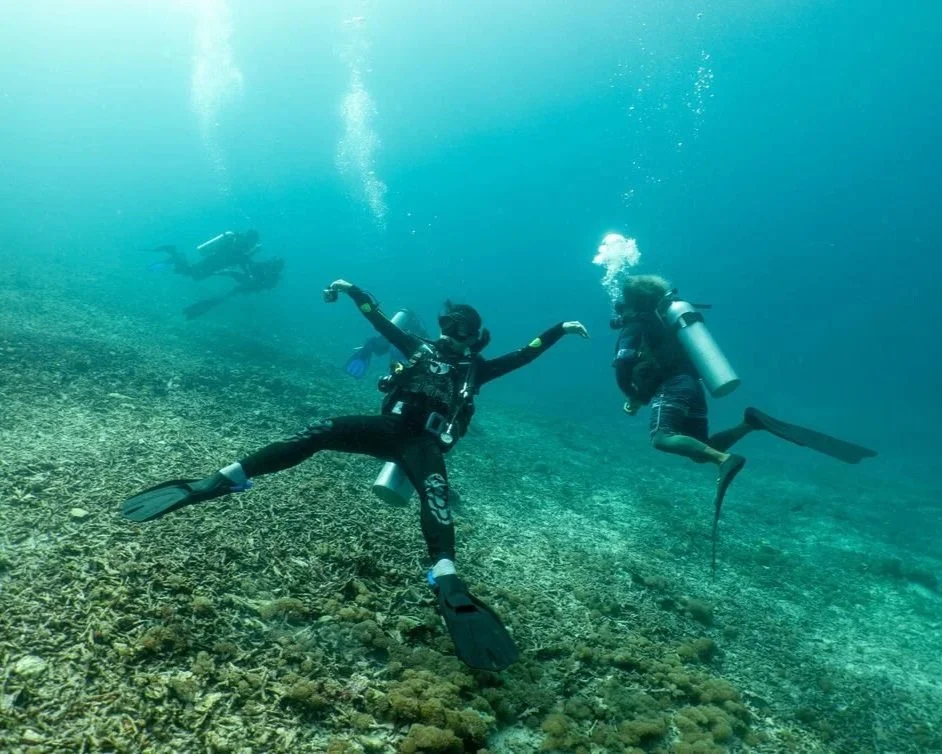
Why are coral reefs in Komodo so healthy?

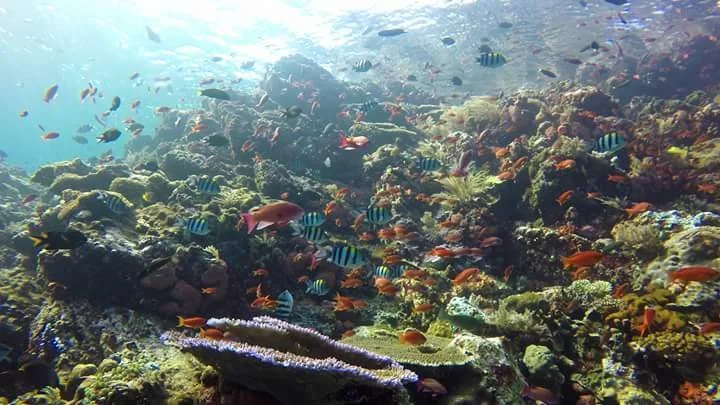
Coral reefs in Komodo National Park are exceptionally healthy due to strong ocean currents, nutrient-rich water, and strict marine protection. These conditions create one of the most biodiverse reef systems in the world.

Manta Rays in Komodo: Best Dive Sites, Conditions & What to Expect

Manta Rays in Komodo: Best Dive Sites, Conditions & What to Expect

Where can you see manta rays in Komodo?

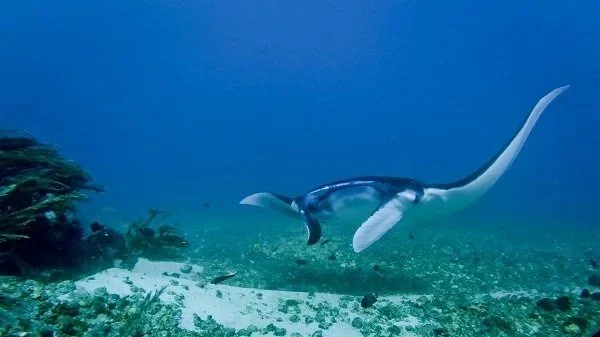
Manta rays are most commonly seen in Komodo National Park at sites like Karang Makassar (Manta Point) and Manta Alley. These sites work best when currents are flowing steadily, bringing plankton and creating ideal feeding conditions.

Where to See Sharks in Komodo

Where to See Sharks in Komodo

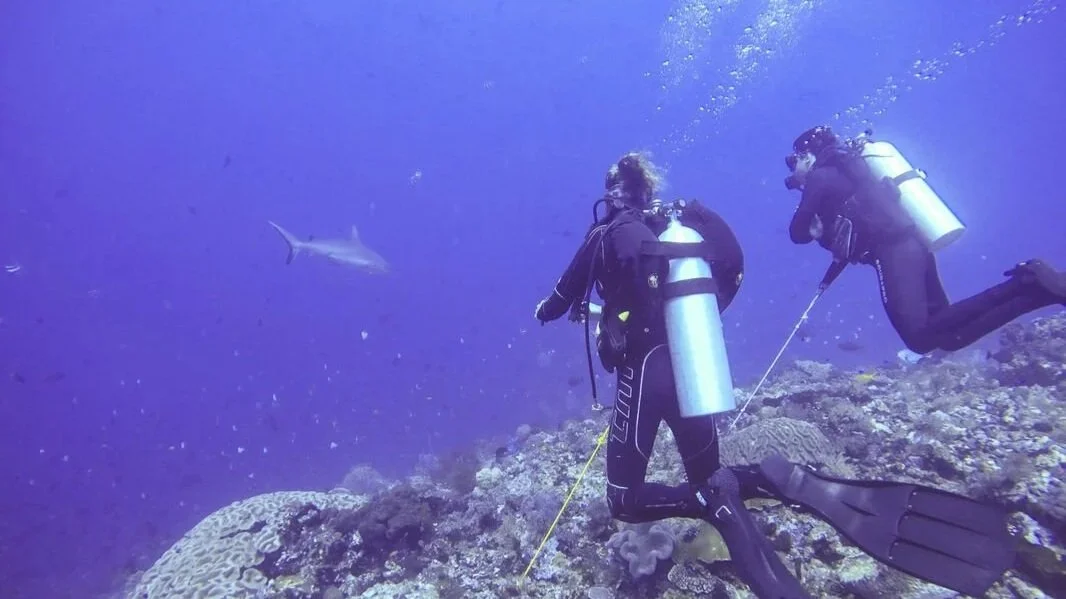
Is it easy to see sharks in Komodo?

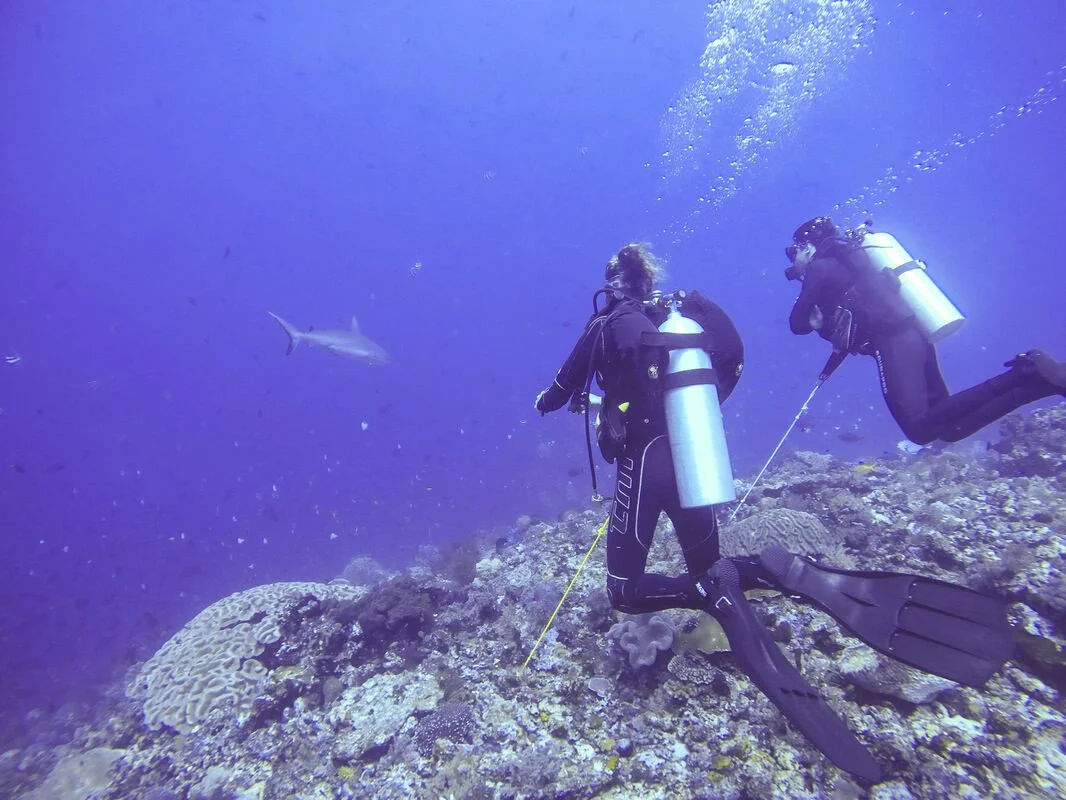
Yes — sharks are commonly seen while diving in Komodo National Park, especially at current-rich dive sites like Castle Rock and Crystal Rock. The key factor is timing your dive correctly with the right current conditions.